Sweet everlasting (Pseudognaphalium obtusifolium)

Sweet everlastingSweet everlasting (Pseudognaphalium obtusifolium) is one of those weedy plants, growing throughout central and eastern North America, which we tend to notice only as it begins to bloom.

Its flowers may seem a bit strange since they don’t look like they “open up” as we might expect.  Instead the disk flowers for each flower head remain hidden within the white bracts.

Sweet everlasting

Watch this video of one year in the life of Sweet everlasting (Pseudognaphalium obtusifolium) to see its woolly (or cottony) covering of the stem and leaves, to learn about its fragrant identifying characteristic and to see a close-up view of its tiny seeds.
Posted in Plant Identification videos, Plant portraits | 1 Comment

Mystery plant 071

This plant can be found in southeastern and eastern regions in the U.S. When you can identify it, leave a comment below with its common name and scientific name. If you have any personal story about the plant, please leave a comment about that, too.

071-a

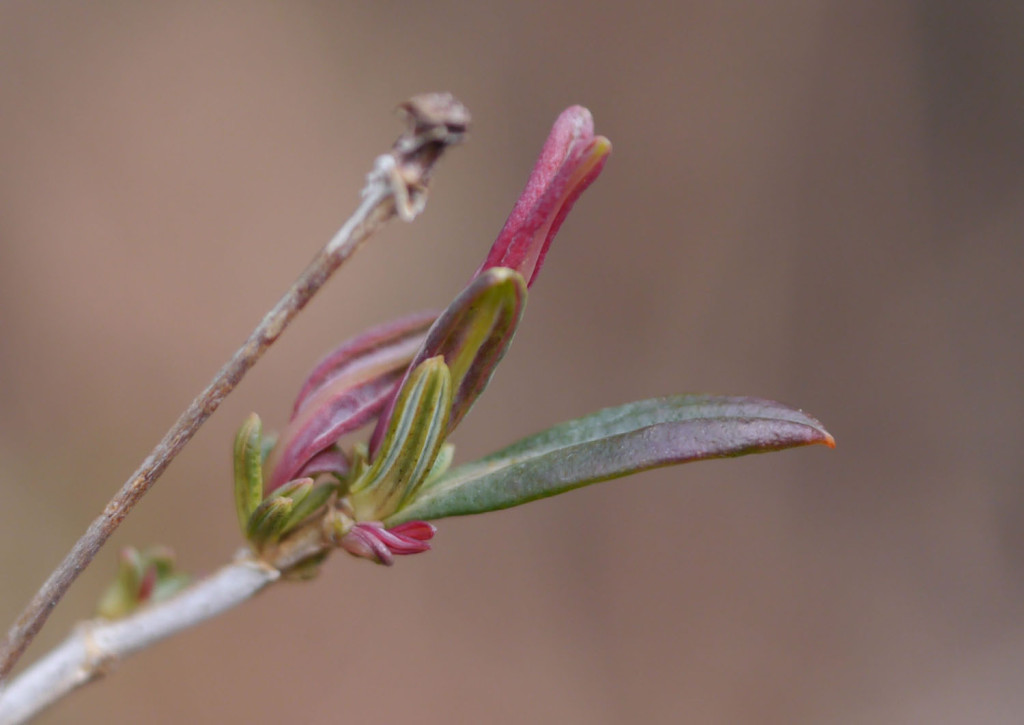
Early spring leaf growth

071-b

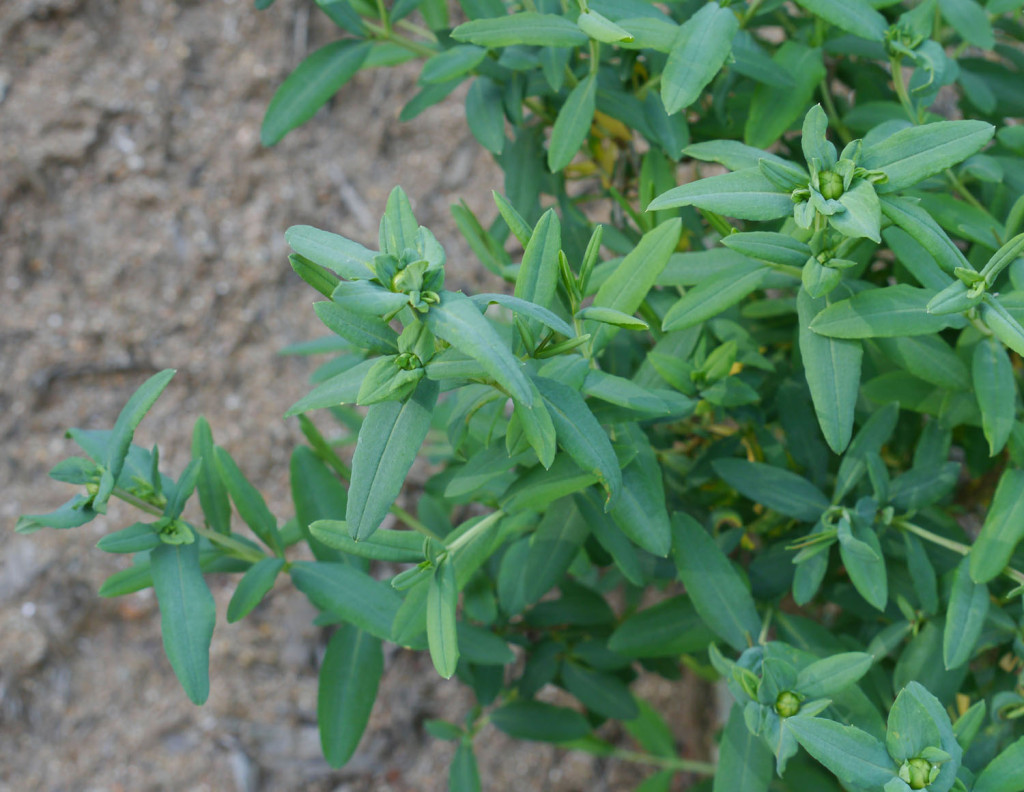
Summer leaves

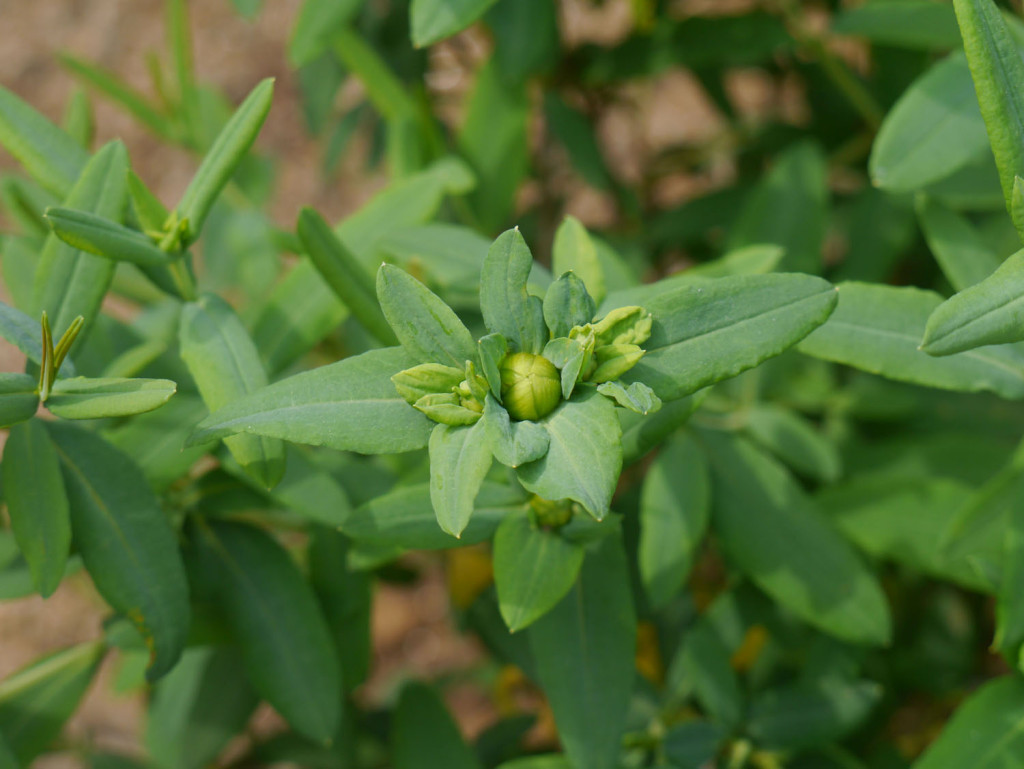
071-c

Flower buds

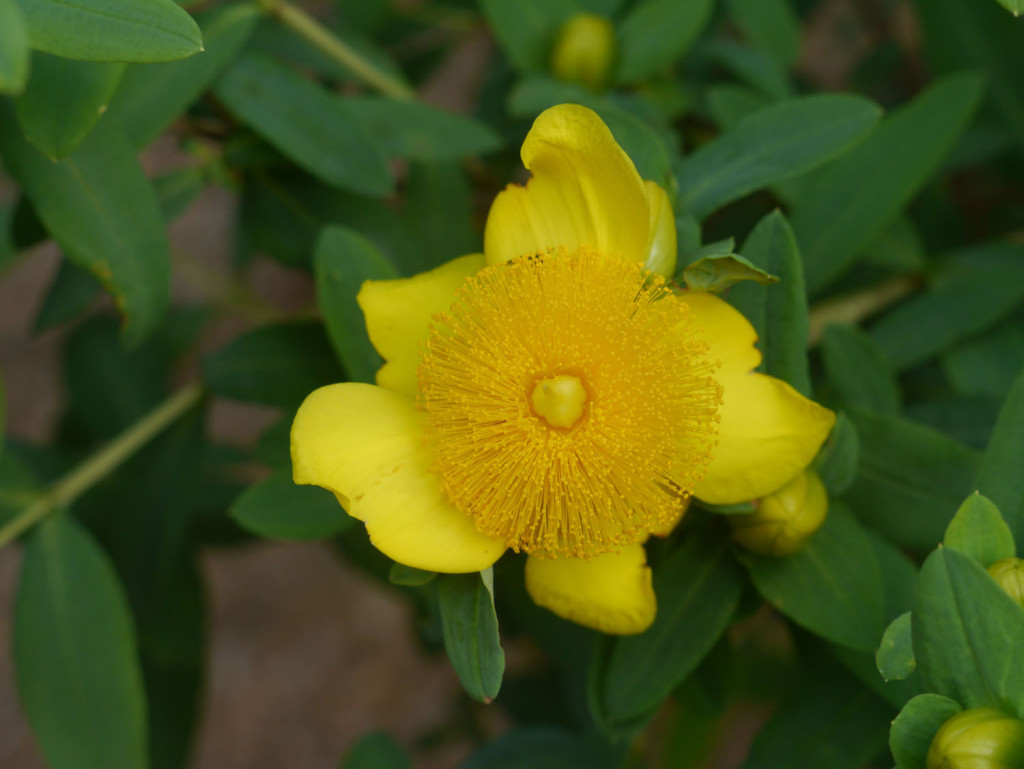
071-d

Flower

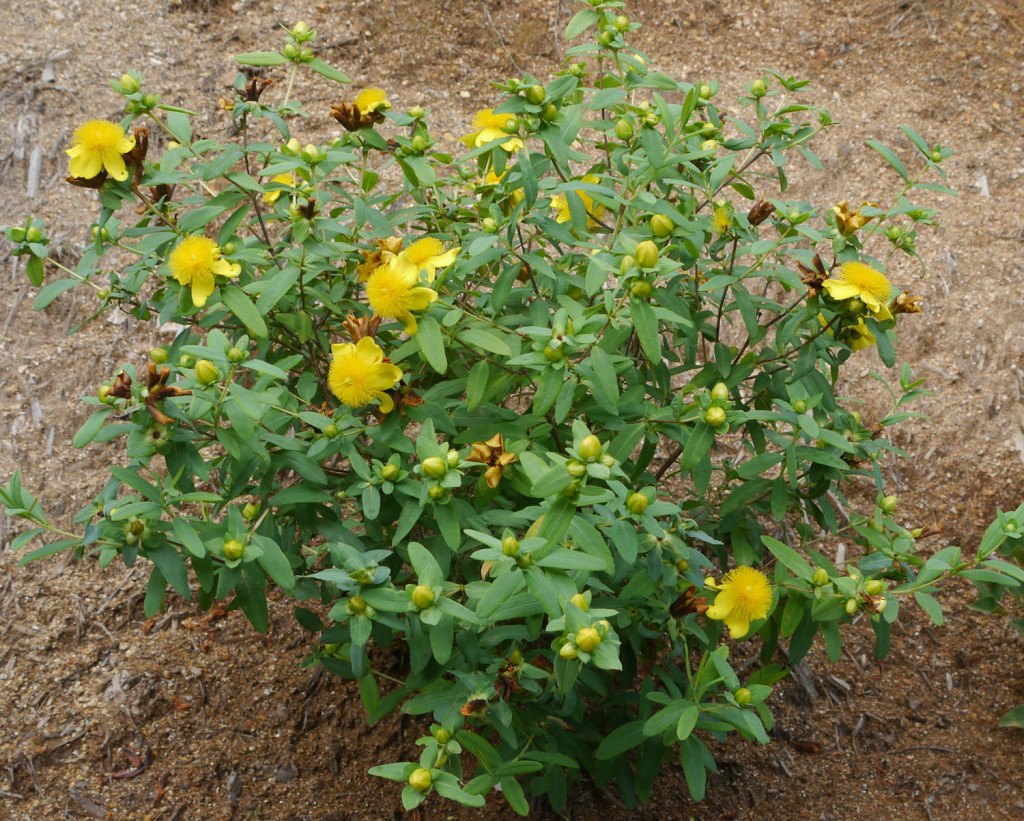
071-e

Plant in bloom

071-f

Flowers transitioning to seed capsules

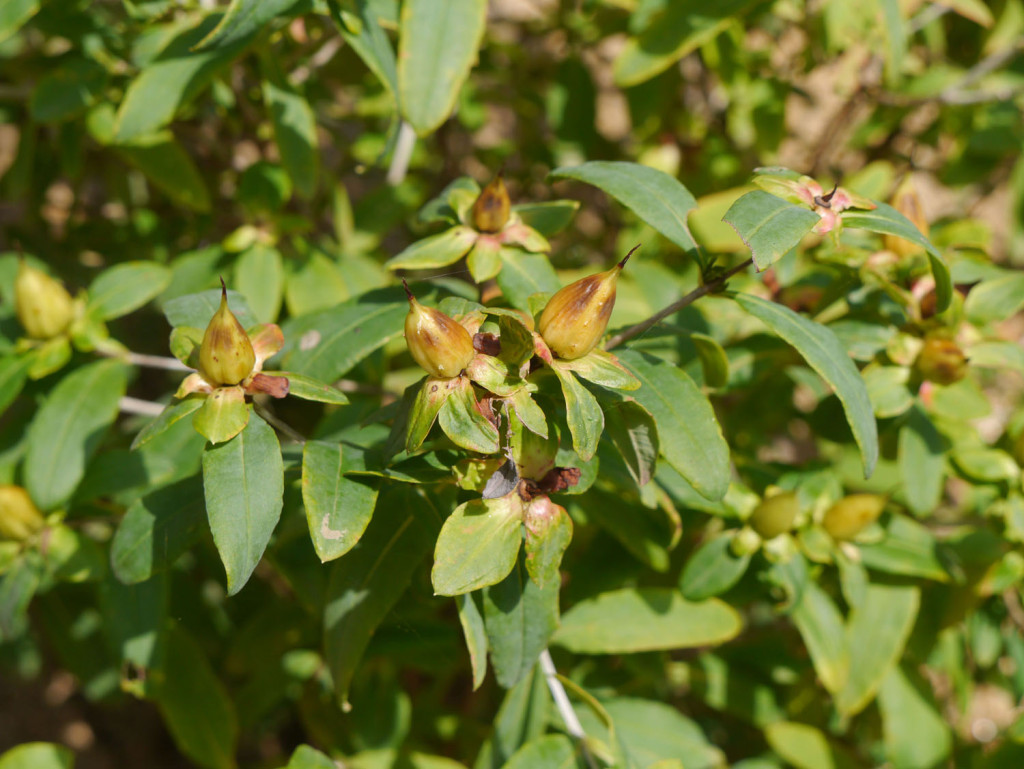
071-g

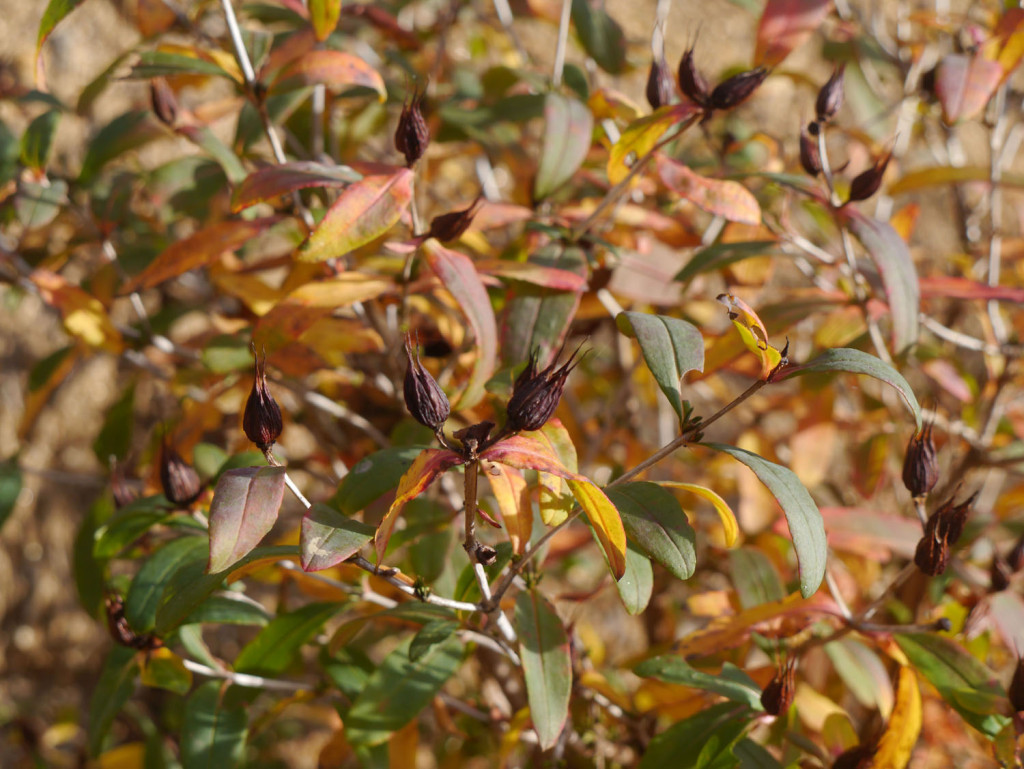
Fall leaves and seed capsules


ANSWER (subsequently added to this post to facilitate the “search” function for these images): Golden St. Johnswort (Hypericum frondosum)

Posted in Mystery plant | 10 Comments

Golden ragwort (Packera aurea)

Golden ragwortGolden ragwort (Packera aurea) blooms prolifically during spring and early summer in moist places throughout central and eastern North America.

The basal leaves in spring . . .

Golden ragwort, , ,  become more numerous . . .

Golden ragwort. . .  and then grow larger, with prominent toothy margins, in the summer.

Golden ragwort

Watch this video of one year in the life of Golden ragwort (Packera aurea) to observe its two strikingly different types of leaves growing on the same plant, to see close views of its golden flowers, to discover how the leaf underside can vary in color from plant to plant, and to learn some cool botanical terms like “achene” and “pappus.”

Posted in Plant Identification videos, Plant portraits | Leave a comment