The golden flowers of Evening primrose (Oenothera biennis) begin blooming in mid-summer. This biennial plant may also grow as an annual if the previous year’s seeds sprout in the spring and the plant matures the same year.
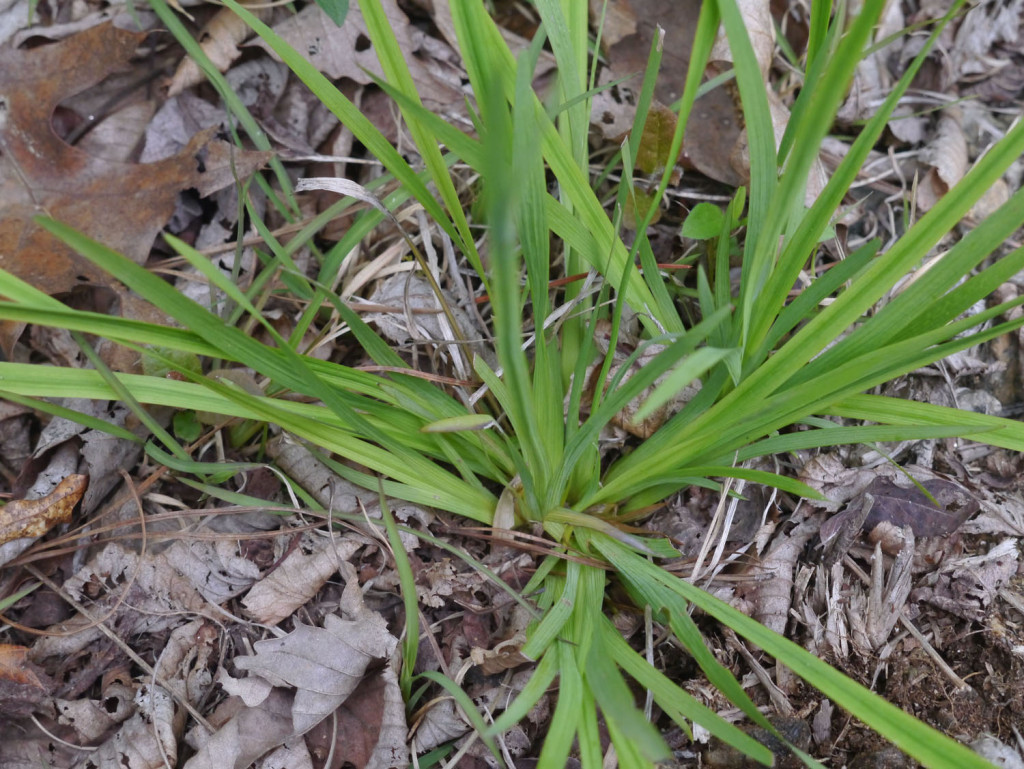
Here’s the basal rosette of leaves from a first year plant — which stays alive during the winter.
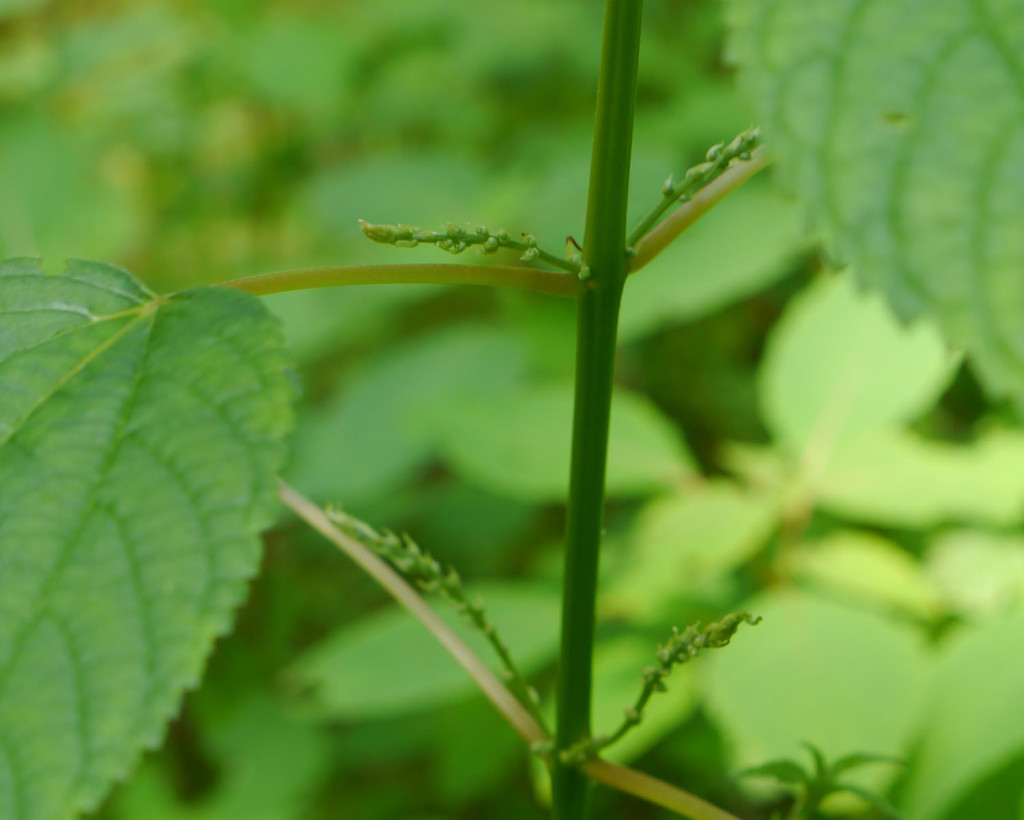
 Evening primrose leaves are lanceolate in shape and the margins are (sometimes) toothed. This view shows the underside of the topmost leaves in late spring. Notice the prominent central vein.
 It’s a real treat to find these flowers in the morning with the Primrose moth visitor still hanging out in the blossom.

Watch this video about Evening primrose (Oenothera biennis) to learn more about how this biennial plant grows and to see close views of the flower’s X-shaped stigma.