This intriguing plant can be found in hardwood forests of eastern North America. When you can identify it, please comment with both the common name and scientific name. Also, you are welcome to share any personal connection with, or story you have of, this plant.
Pushing up through soil and leaf litter in spring
Upper portion of plant beginning to bloom
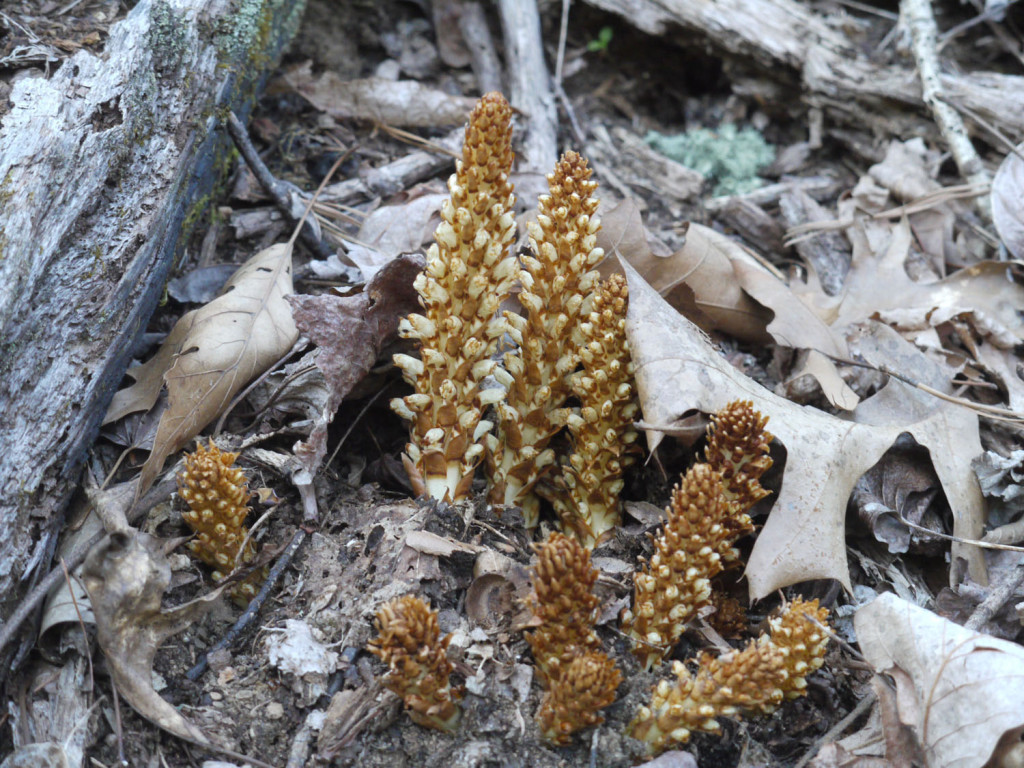
Group of plants
Close view of flowering portion of plant
Close view of pollinated flowers and the developing seeds
Dead plant material persists through fall and winter
ANSWER (subsequently added to this post to facilitate the “search” function for these images): Squawroot (Conopholis americana)
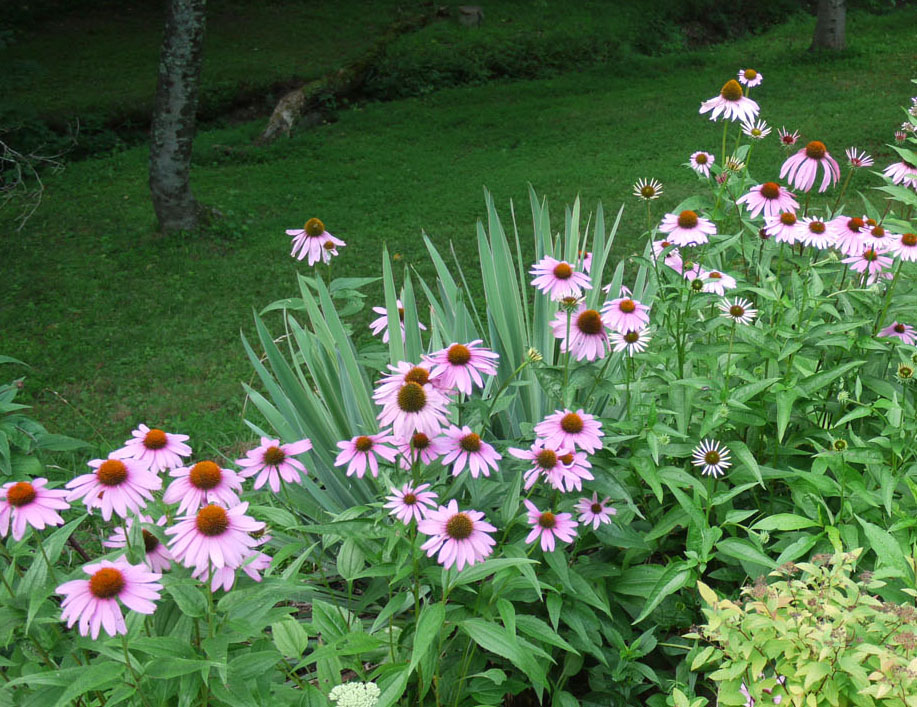
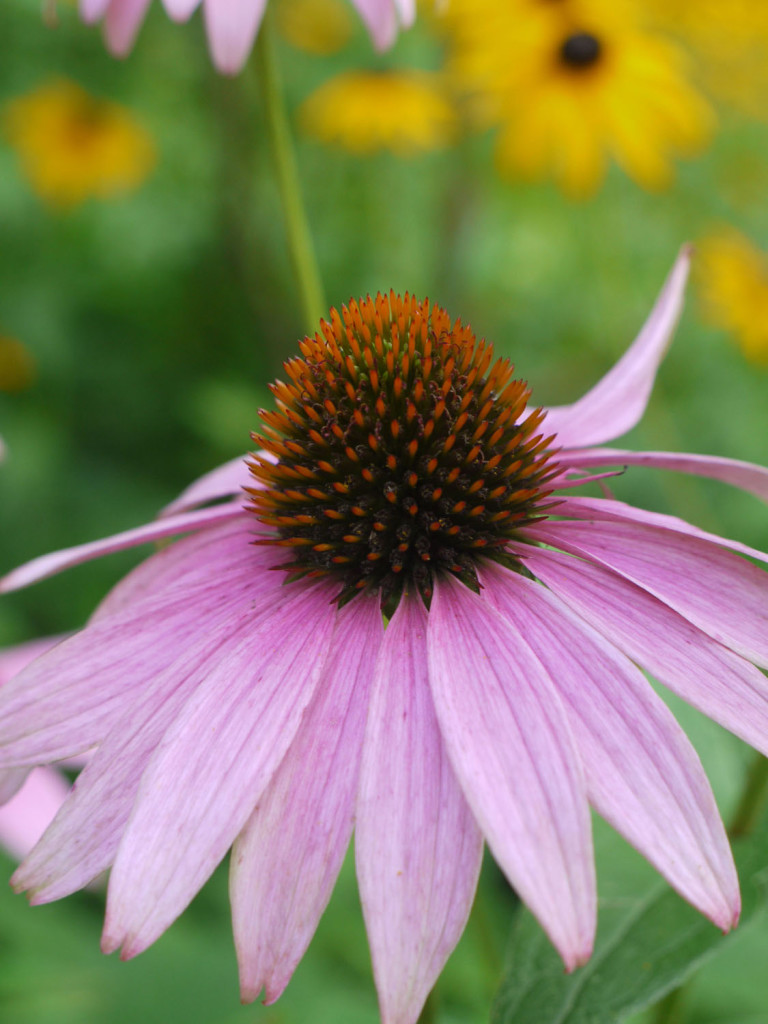
Groups of Purple coneflower (Echinacea purpurea) can be found in both intentional gardens and throughout a natural landscape.
As a member of the Asteraceae family, the flowers grow in heads. Each flower head consists of ray flowers — the purple “petals” — and disk flowers — within the central cone portion of the flower head.
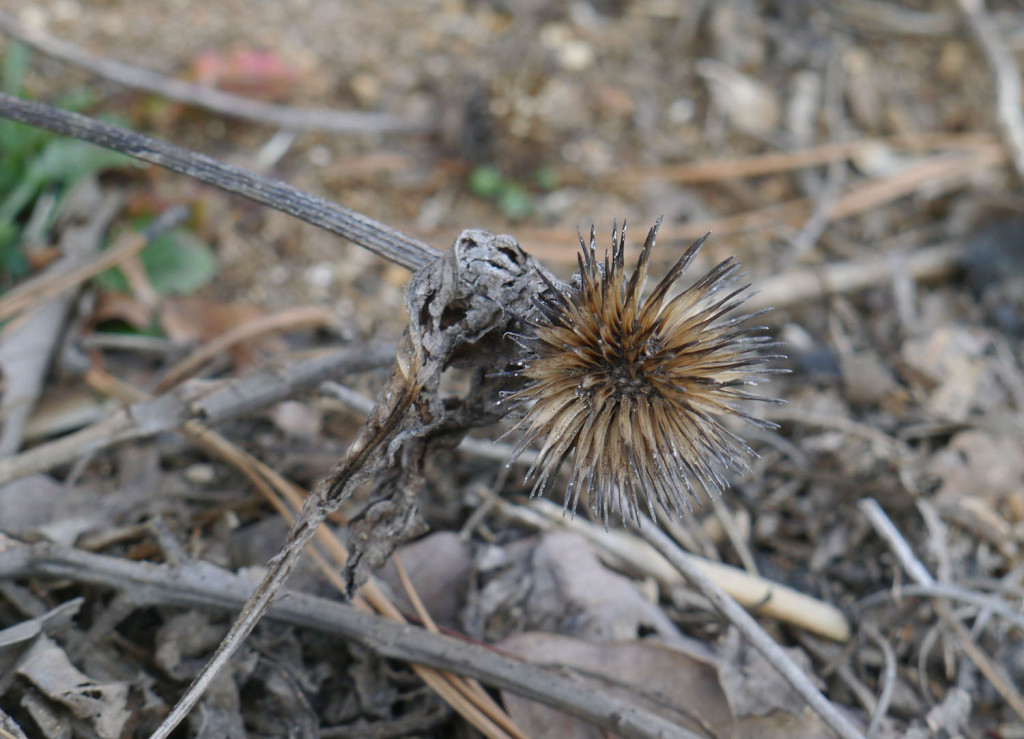
After the flower head completes the blooming stage, the plant then makes seeds from each fertilized flower.
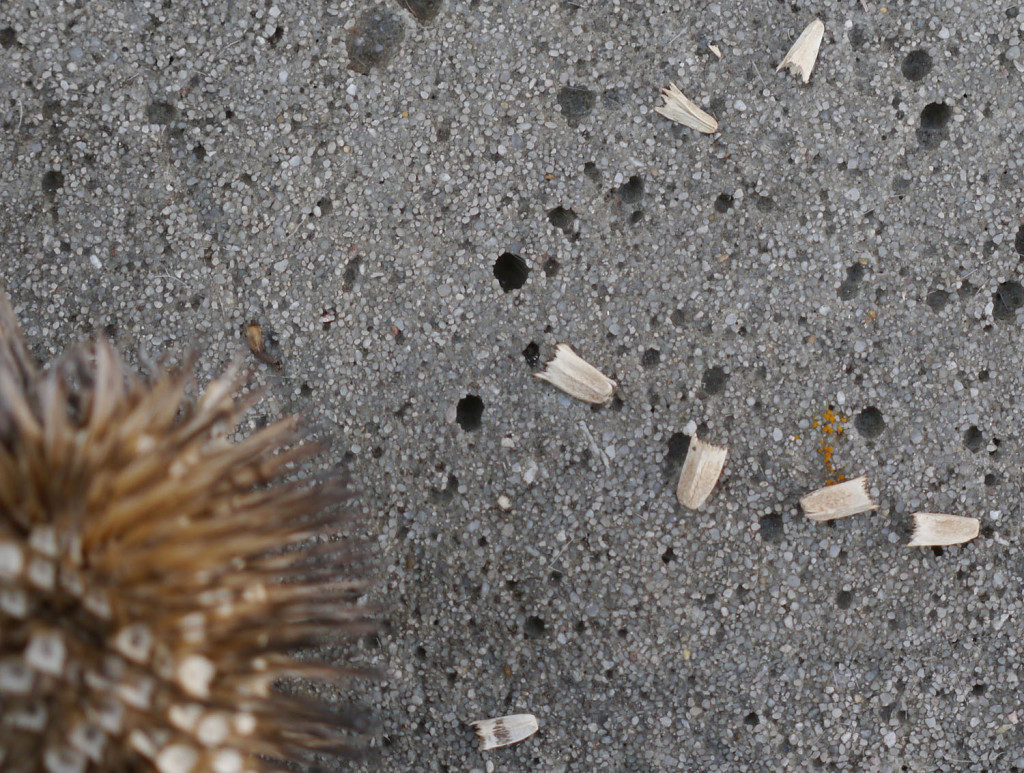
When the wind blows, it shakes the dried flower head and the seeds drop to the ground. This next photo shows some of those seeds which were shaken loose.
Watch this video for more photos — along with things to look for when identifying Echinacea purpurea. The video tracks Purple coneflower (a perennial) through one year of growth and reproduction.
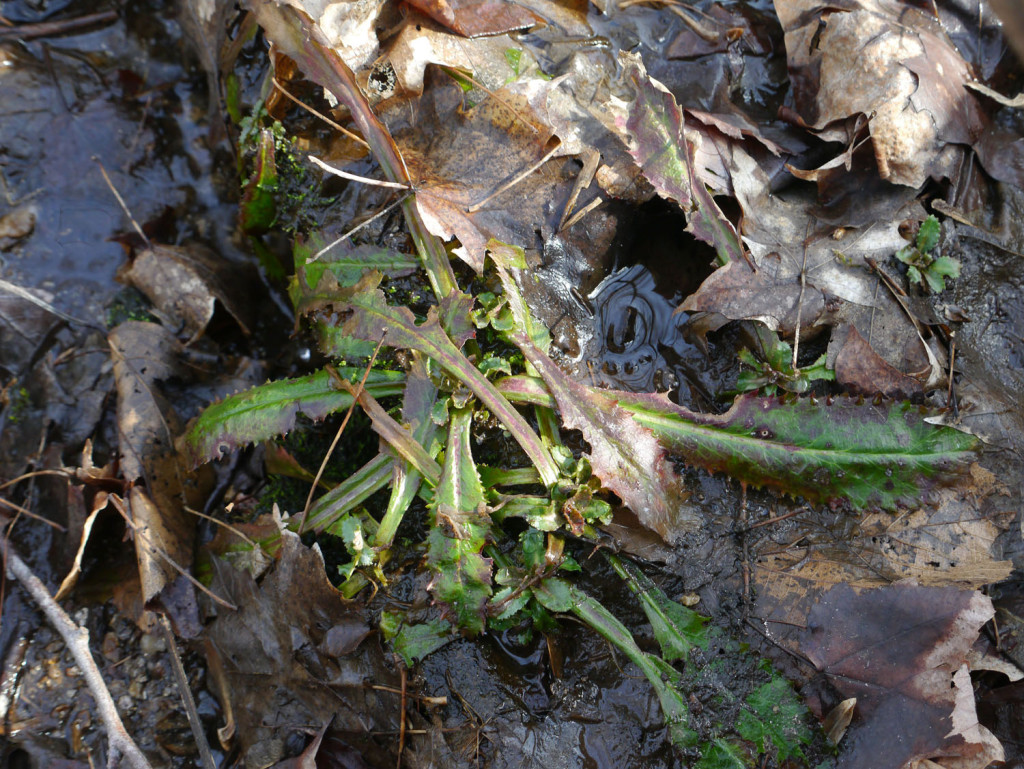
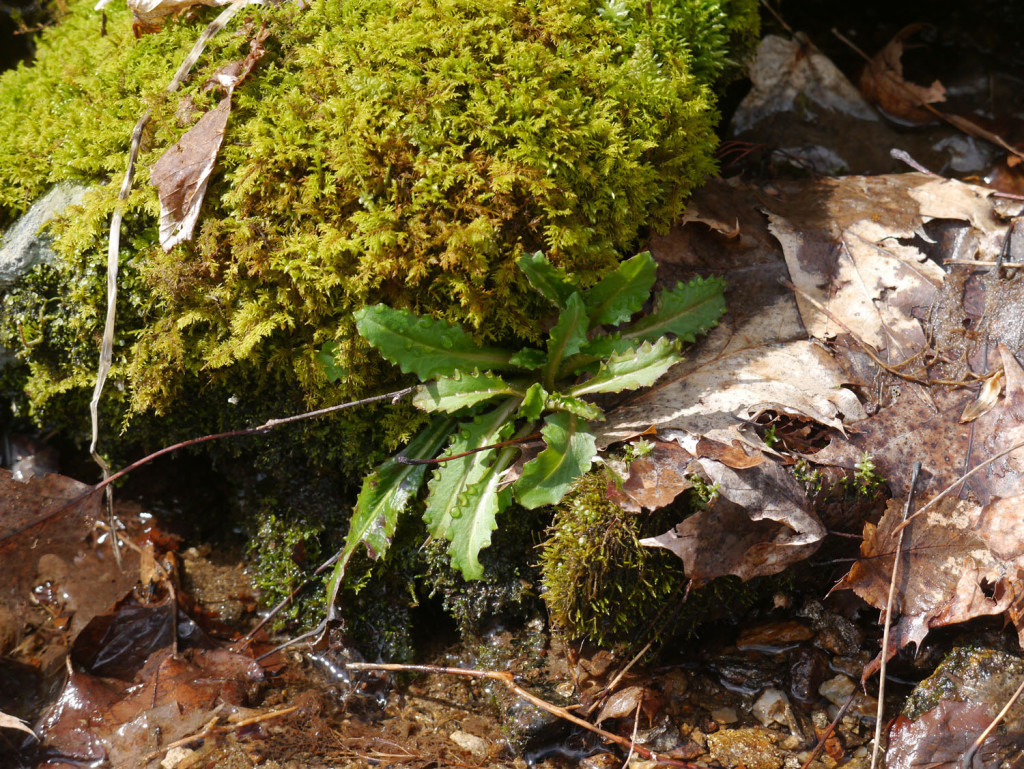
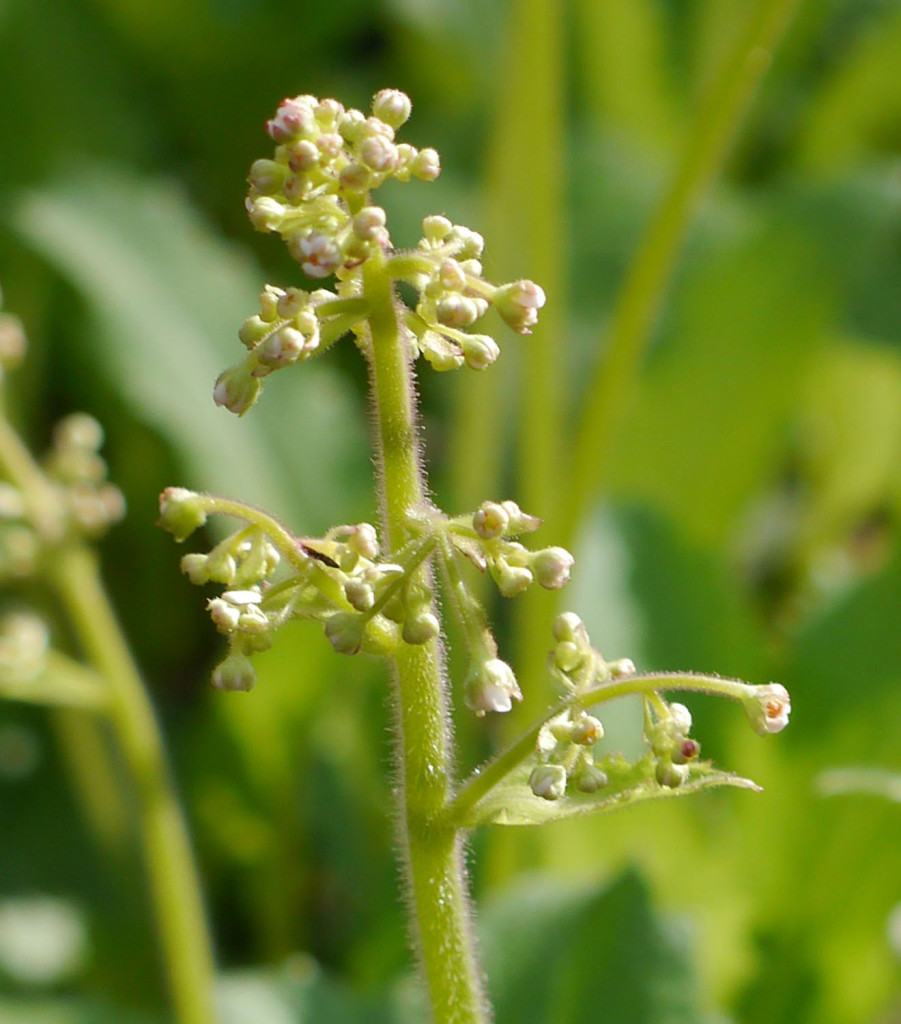
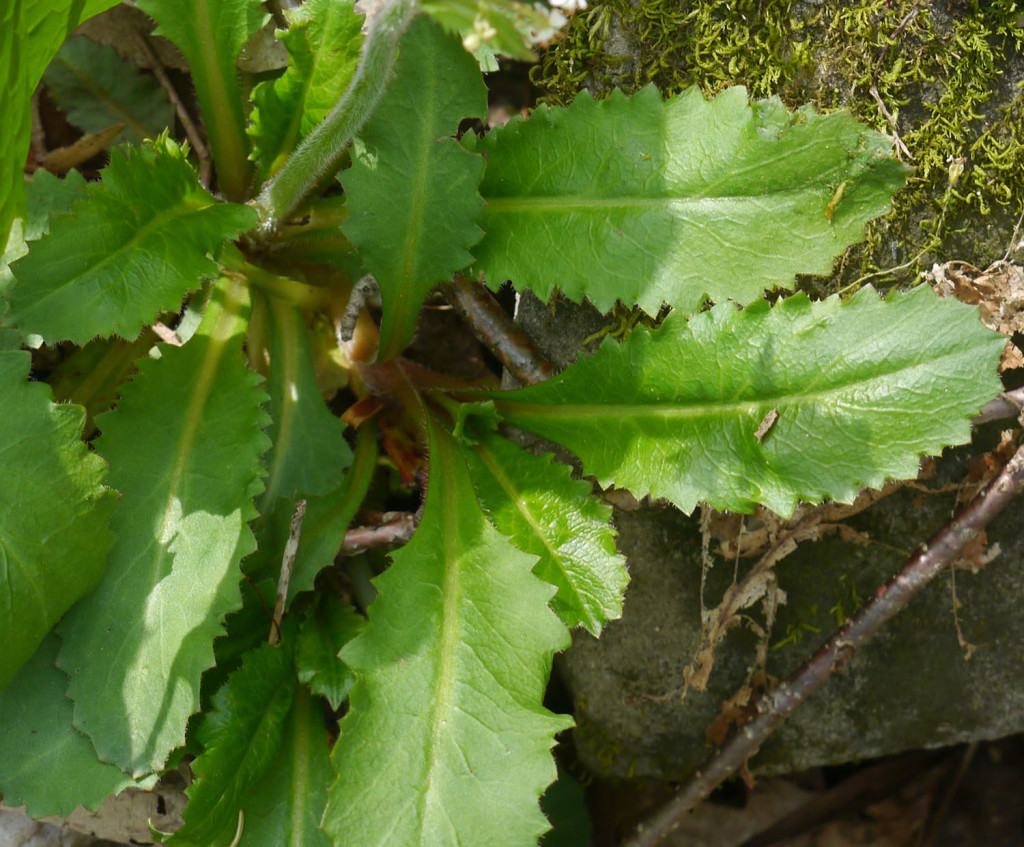
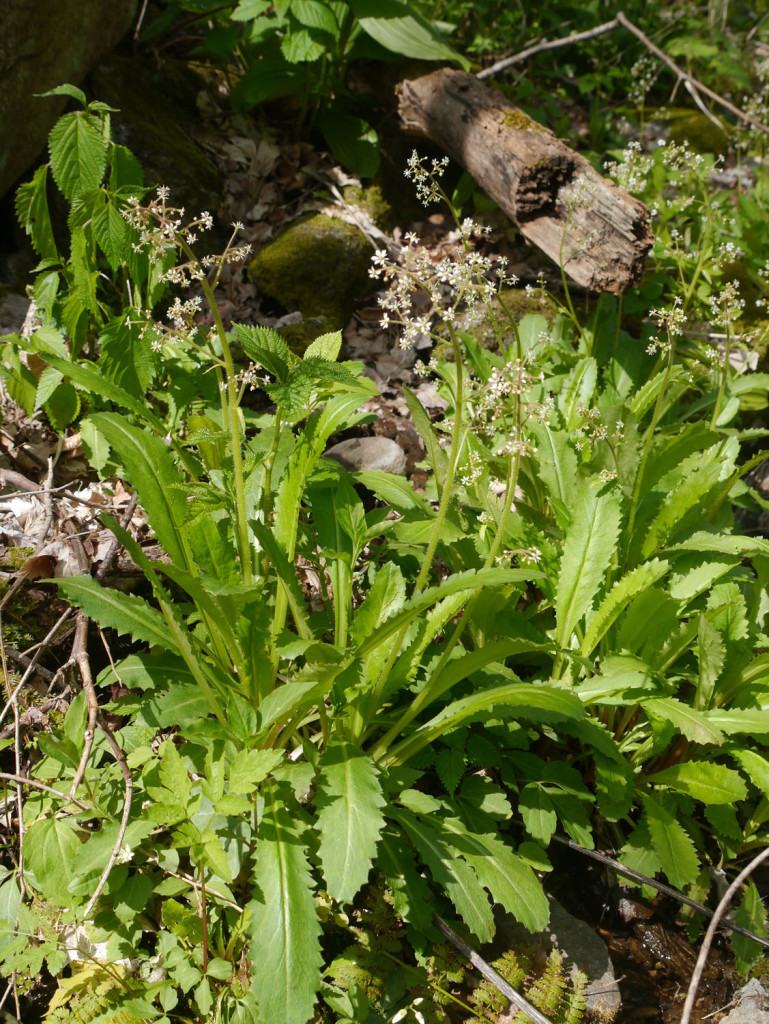
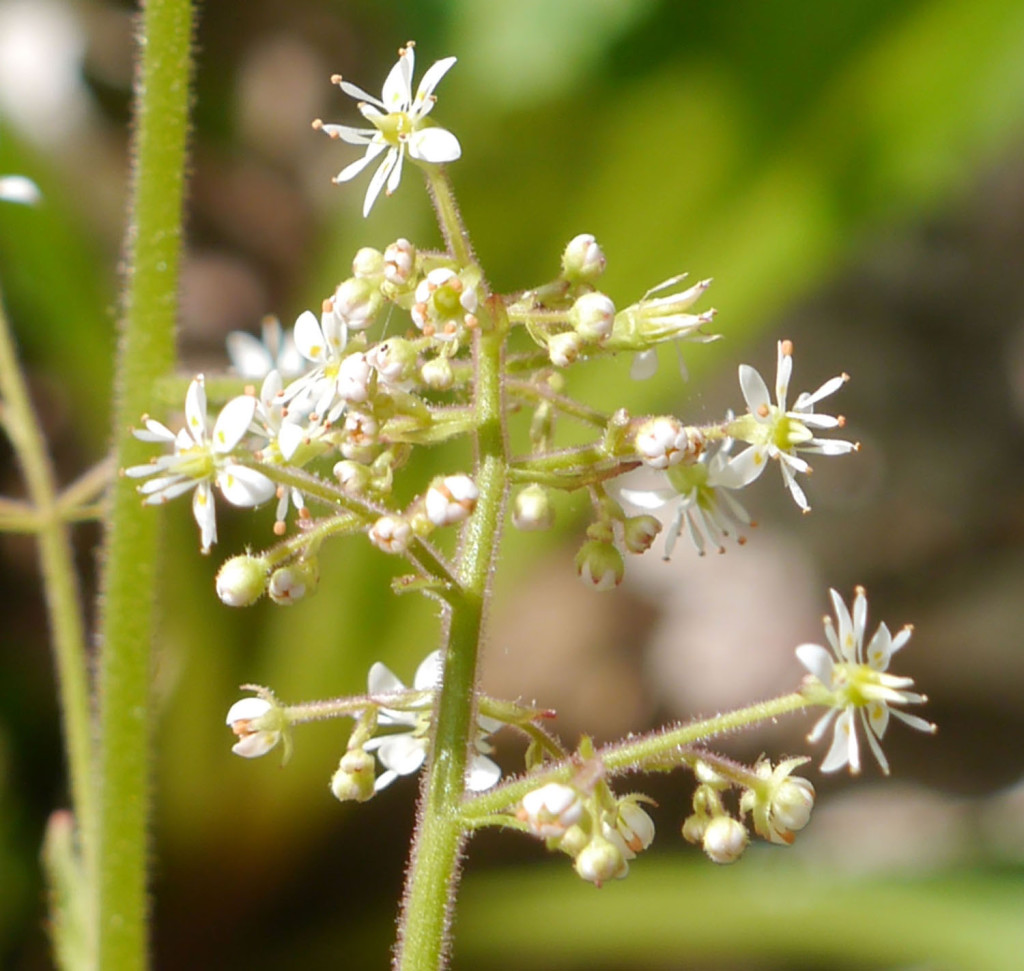
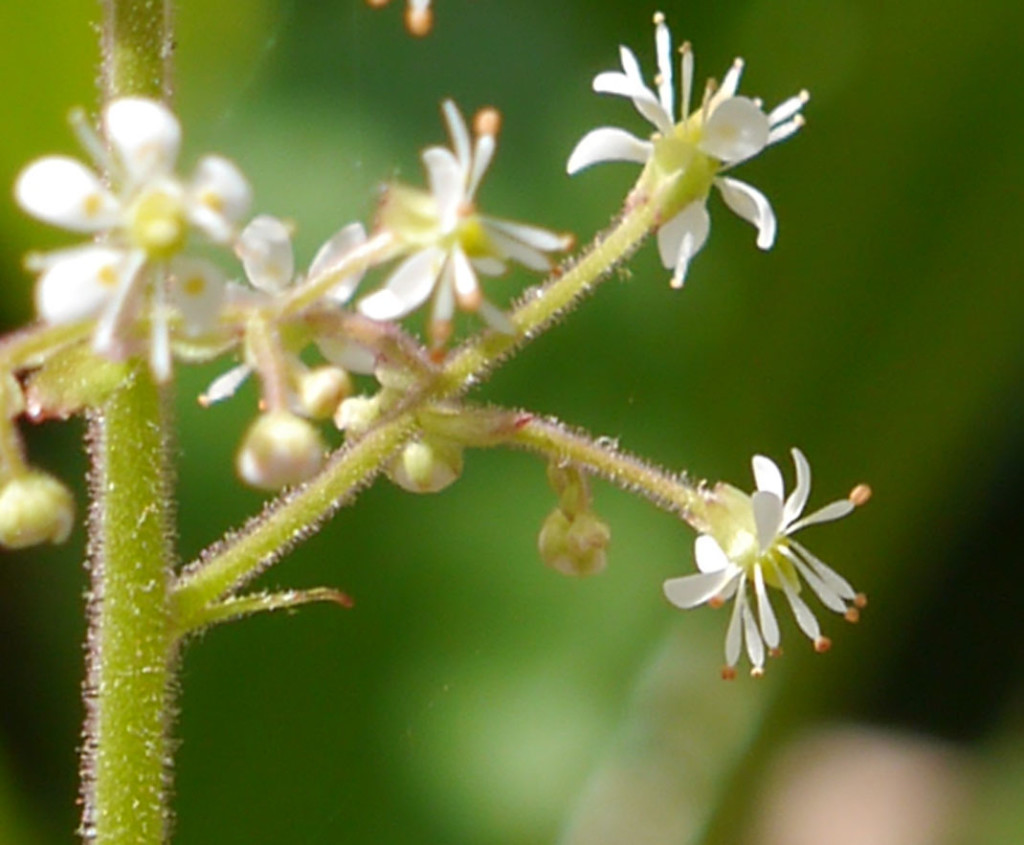
This plant can be found in moist environments in the eastern part of the United States. When you can identify it, please leave its common and scientific names in a comment below. Even if you do not recognize it from personal experience, see if you can narrow down its name to the family or genus.
Leaves during winter season
Plant in early spring
Flower buds
Leaves
Blooming plants in spring
Flowers
Closer view of flowers
ANSWER (subsequently added to this post to facilitate the “search” function for these images): Branch lettuce (Saxifraga micranthidifolia)