Dwarf crested iris (Iris cristata)

Dwarf crested irisDwarf crested iris (Iris cristata) is a native wildflower which blooms in the spring.  It grows in moist open woodlands in eastern and southern parts of the U.S.

The short plant — in comparison to most irises — grows about six inches tall when it’s blooming.  Later in the year, the leaves grow to about eight or nine inches high.

Dwarf crested irisHere’s a closer view of a group of flowers after a spring rain.

Dwarf crested irisAlthough the flowers are typically purple with white and yellow highlights on the sepals, Dwarf crested iris may grow flowers which are almost white.

Dwarf crested iris

Watch this video of one year in the life of Dwarf crested iris (Iris cristata) to learn about the equitant leaf arrangement, to see the petaloid style up close, and to discover why this dwarf iris is commonly referred to as “crested.”

Posted in Plant Identification videos, Plant portraits | 1 Comment

Mystery plant 068

This plant can be found in eastern portions of North America with some central regions also having instances of the plant.  When you can identify it, leave a comment below with both the common and scientific names.  If you have a personal story to share about this plant, please include that in your comment.

068-a

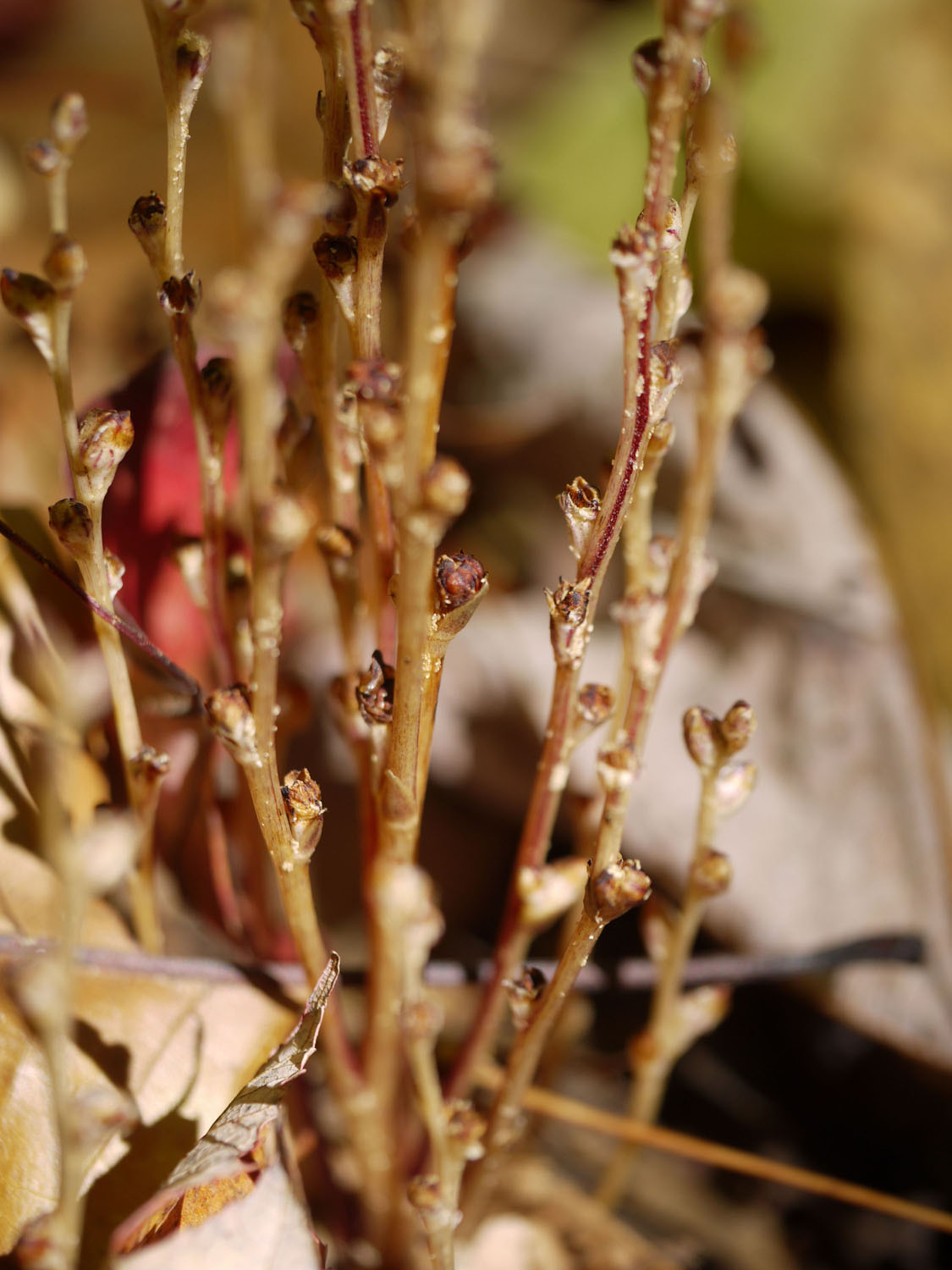
Plant in the fall season

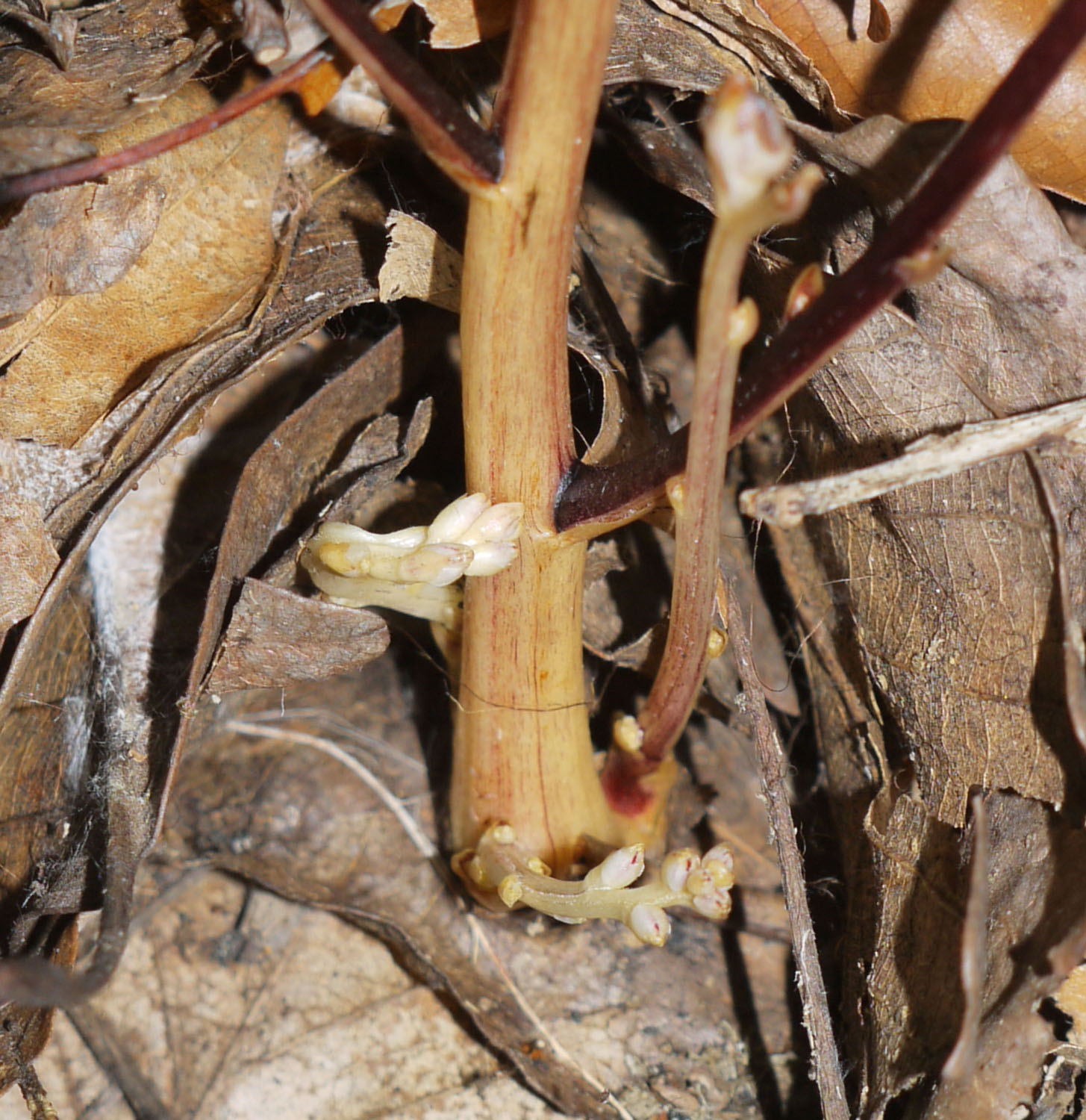
068-b

Base of plant’s stalk with flowers on side shoots

068-c

Closer view of plant with flowers on stalks

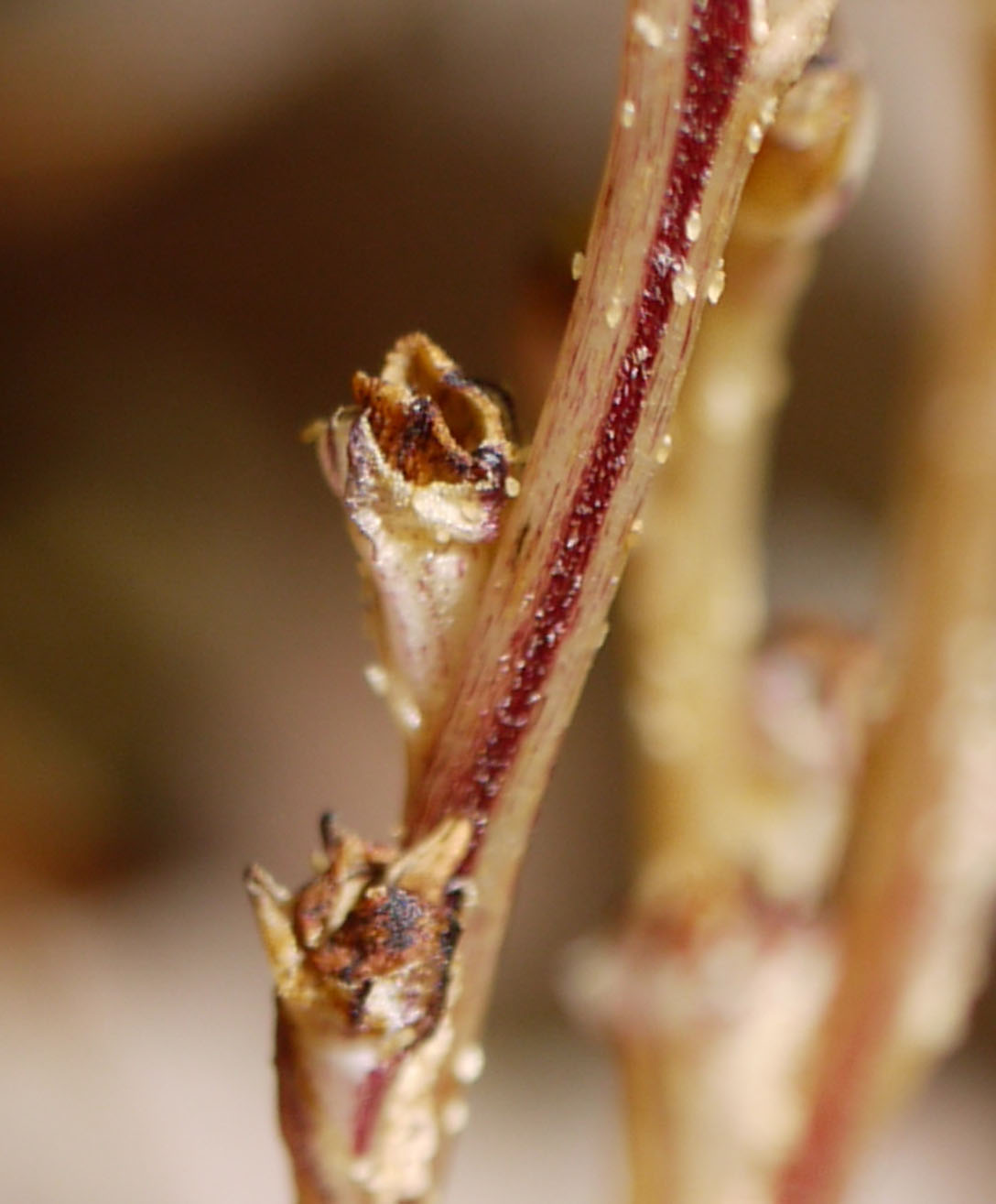
068-d

Close view of flowers

068-e

Plant during winter season


ANSWER (subsequently added to this post to facilitate the “search” function for these images): Beechdrops (Epifagus virginiana)

Posted in Mystery plant | 7 Comments

English plantain (Plantago lanceolata)

English plantainThis plant can be found throughout the world — in open fields and waste places.  It’s English plantain (Plantago lanceolata).  The flowering spike is commonly used in child’s play while the leaves have medicinal uses as well as nutritional value.

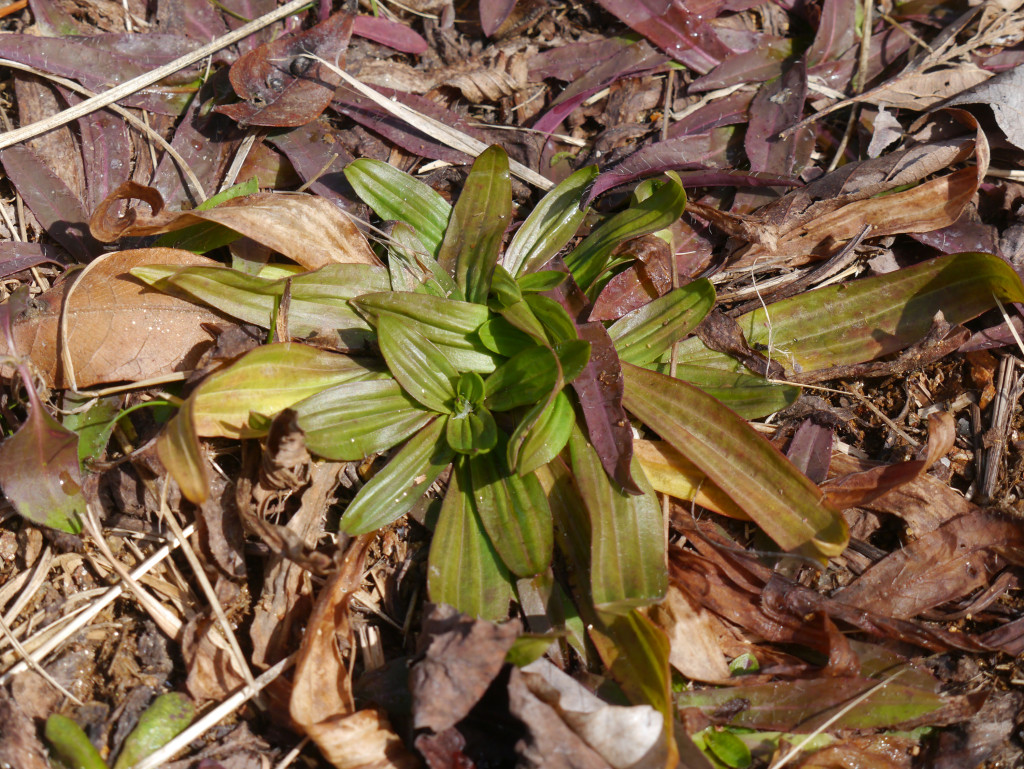
Here are the leaves of two English plantains during the cold weather season, when they remain small and lie close to the ground.

English plantainFlowers grow in a tight group along a spike.  The flowers bloom from the bottom to the top of the spike.  This next image shows a group of flower spikes — still blooming although they are past their prime flowering stage.

English plantain

Watch this video to see very close views of the two types of flowers to be found on English plantain (Plantago lanceolata), to learn the meaning of “scape,” and to find out how this plant is pollinated.

Also, check out this study which compares English plantain with Common plantain (P. major).

Posted in Plant Identification videos, Plant portraits | 2 Comments