This spring-flowering plant grows in damp woodland settings throughout eastern North America. When you can identify it, please leave a a comment with its common name, scientific name and any personal connection you may have with the plant.
Leaf
Developing inflorescence with flower buds
Group of plants in bloom
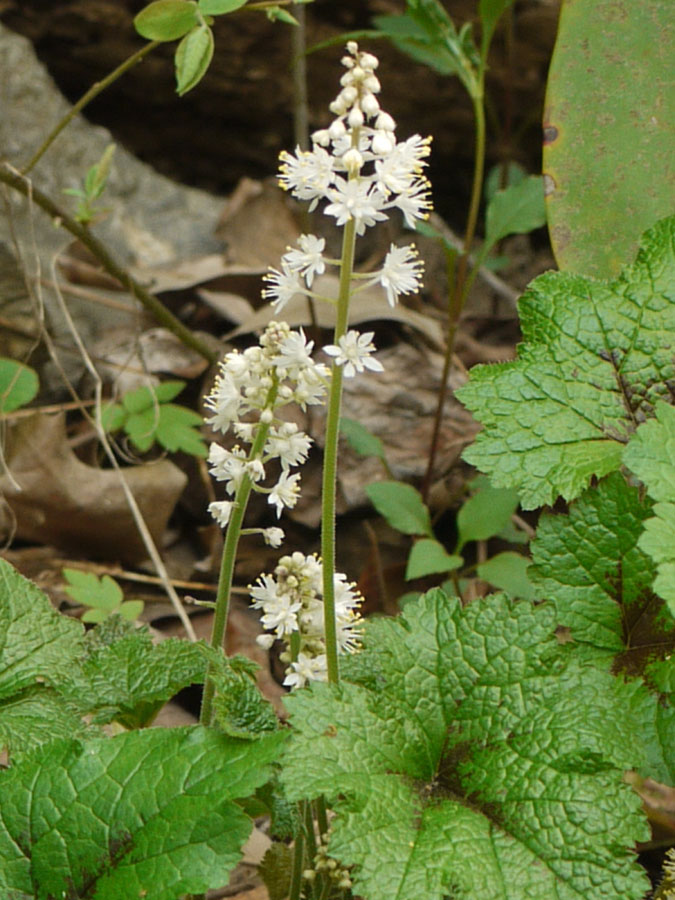
Inflorescence and leaves
Closer view of flowers within inflorescence
Flowers dying and seeds developing
ANSWER (subsequently added to this post to facilitate the “search” function for these images): Foamflower (Tiarella cordifolia)
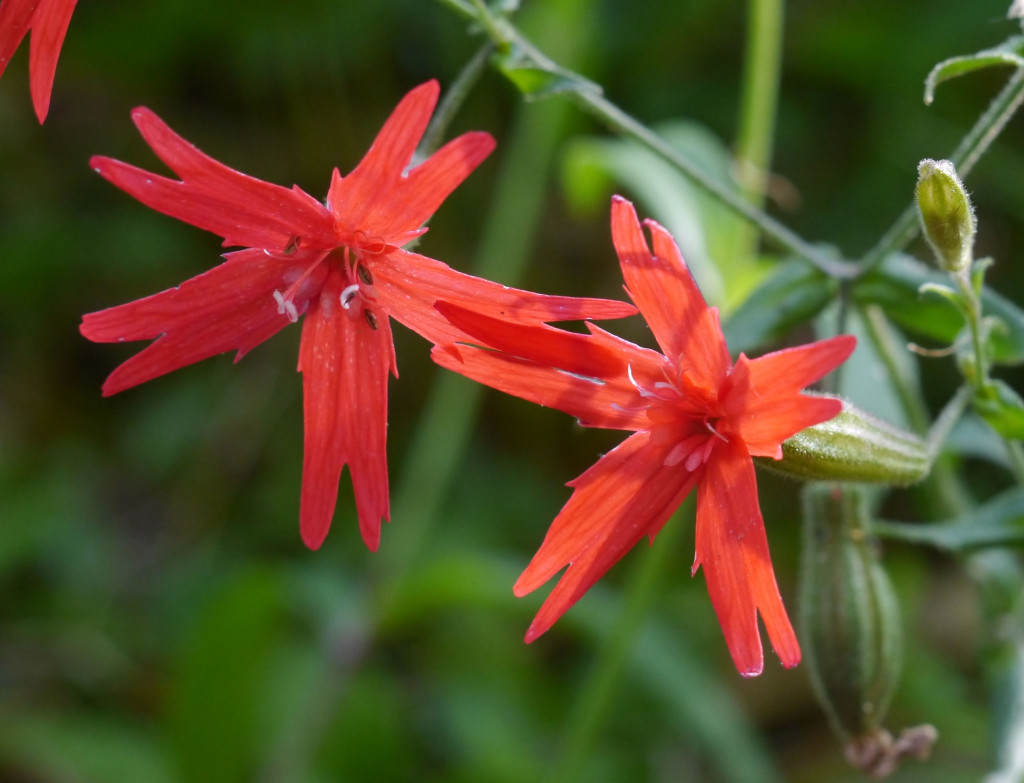
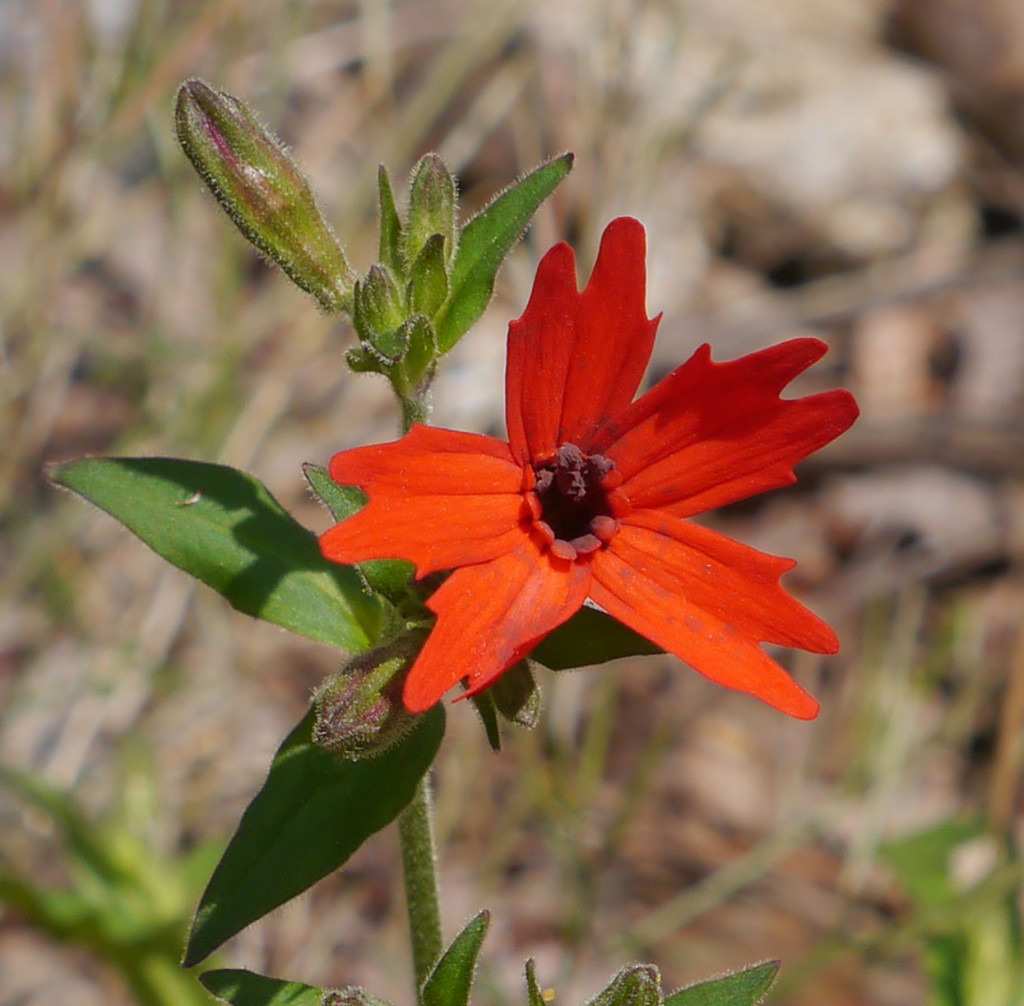
When the leaves of Fire pink (Silene virginica) emerge in the spring, the plant is unremarkable in appearance. However, when it begins to bloom, the bright red flowers grab the eye and shout “Look at me!”
This next photo shows the flower with dark pollen sprinkled over the flower’s five notched petals.
Leaves grow both at the base of the plant and along its flower stem. Those along the stem are narrow and the leaves closest to the flowers are shorter than those further down the stem.
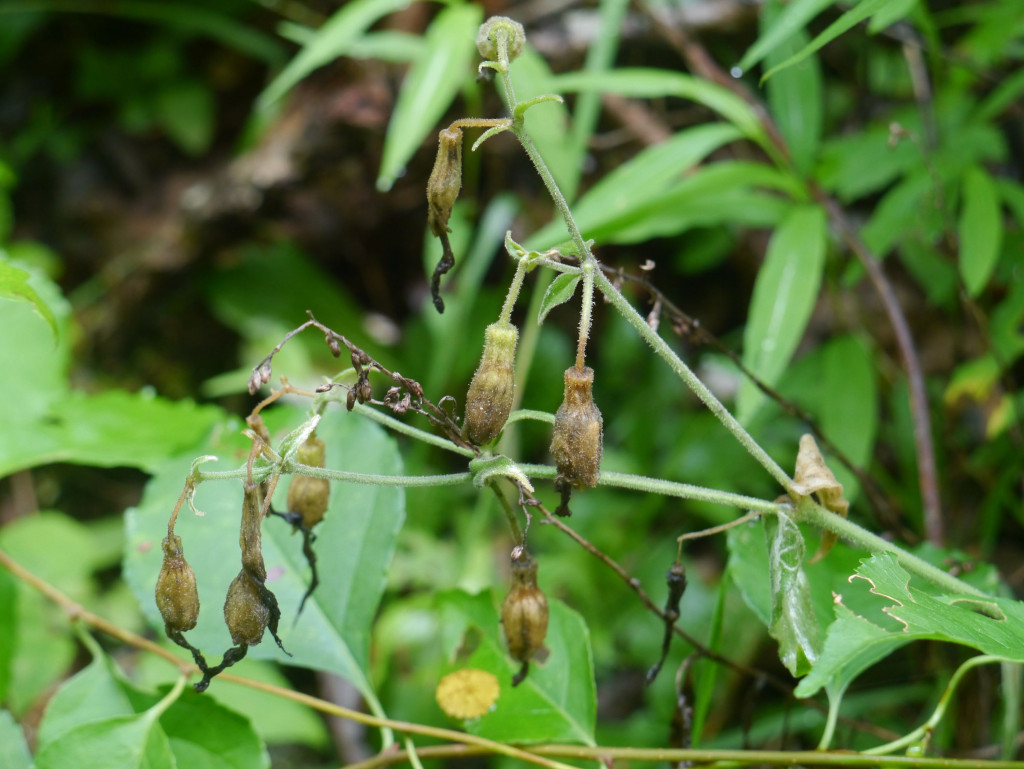
Here’s a view of developing Fire pink seed capsules.
Watch this video to see which parts of Fire pink (Silene virginica) are covered with sticky hairs and why it is called a “catchfly” plant, to learn whether it is an upright or a sprawling plant, and to see the size and shape of its seeds.
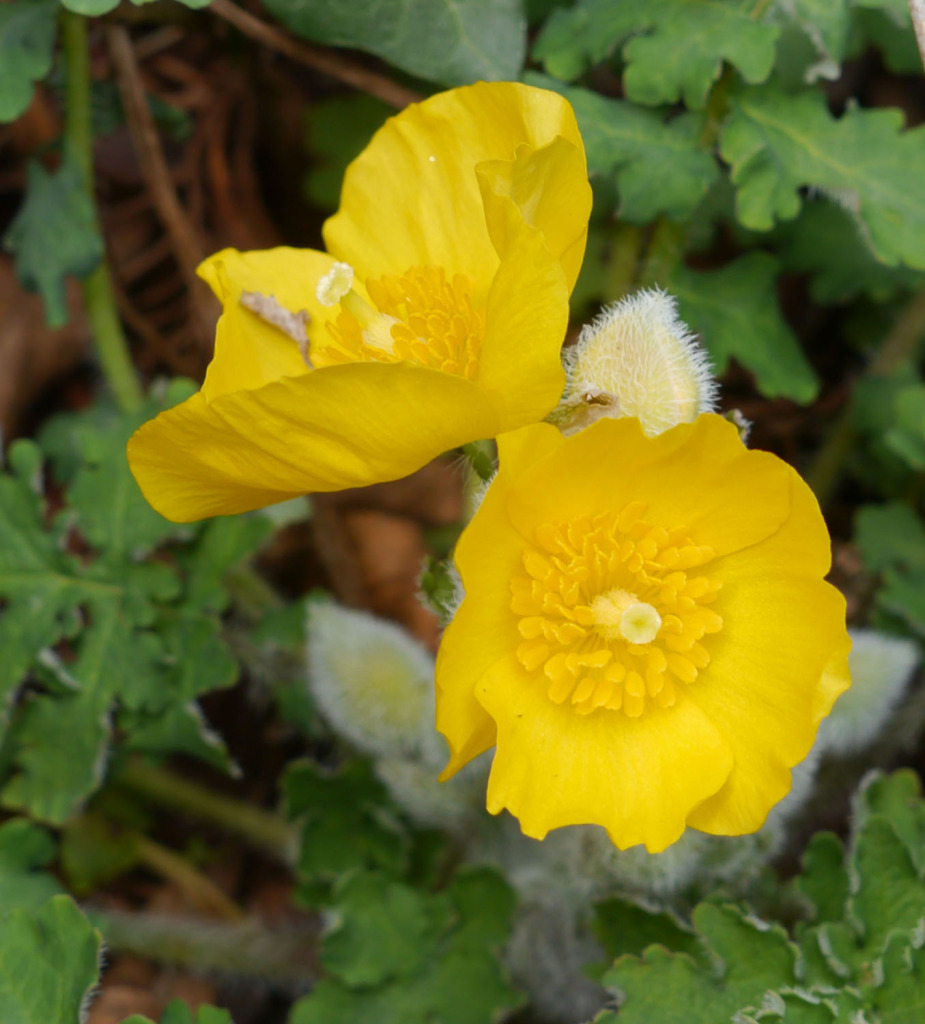
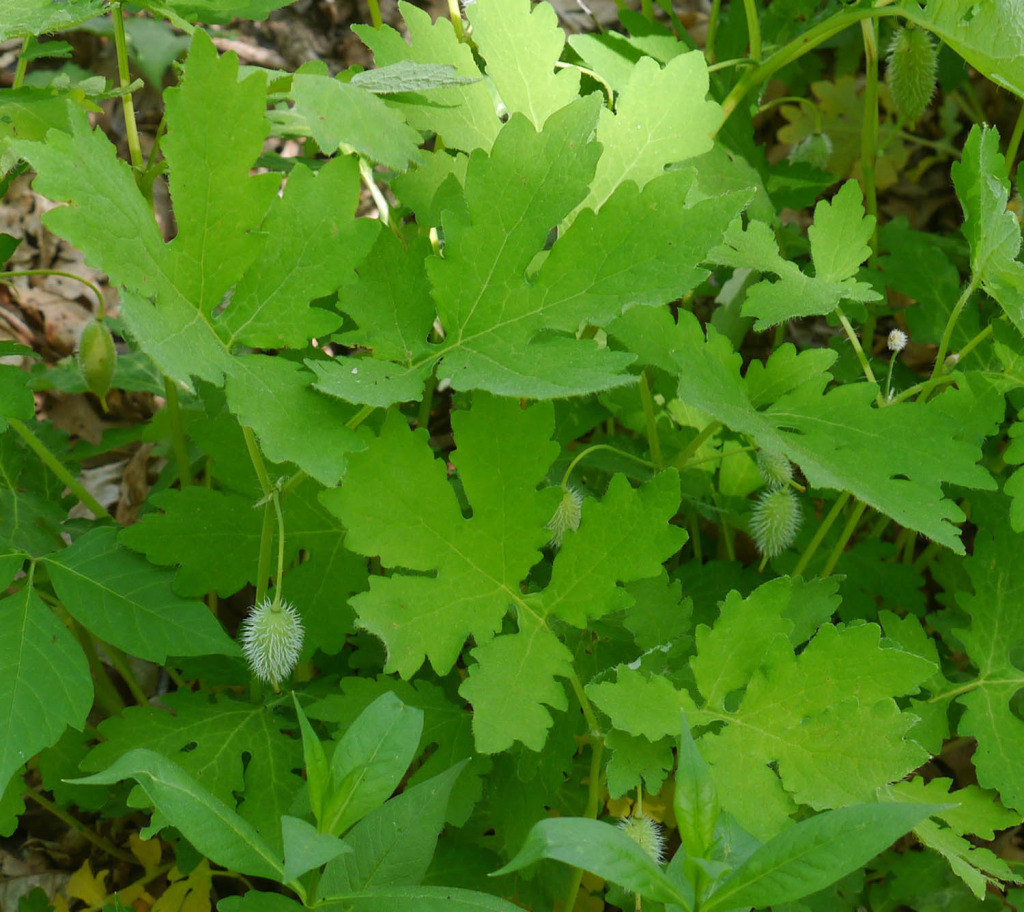
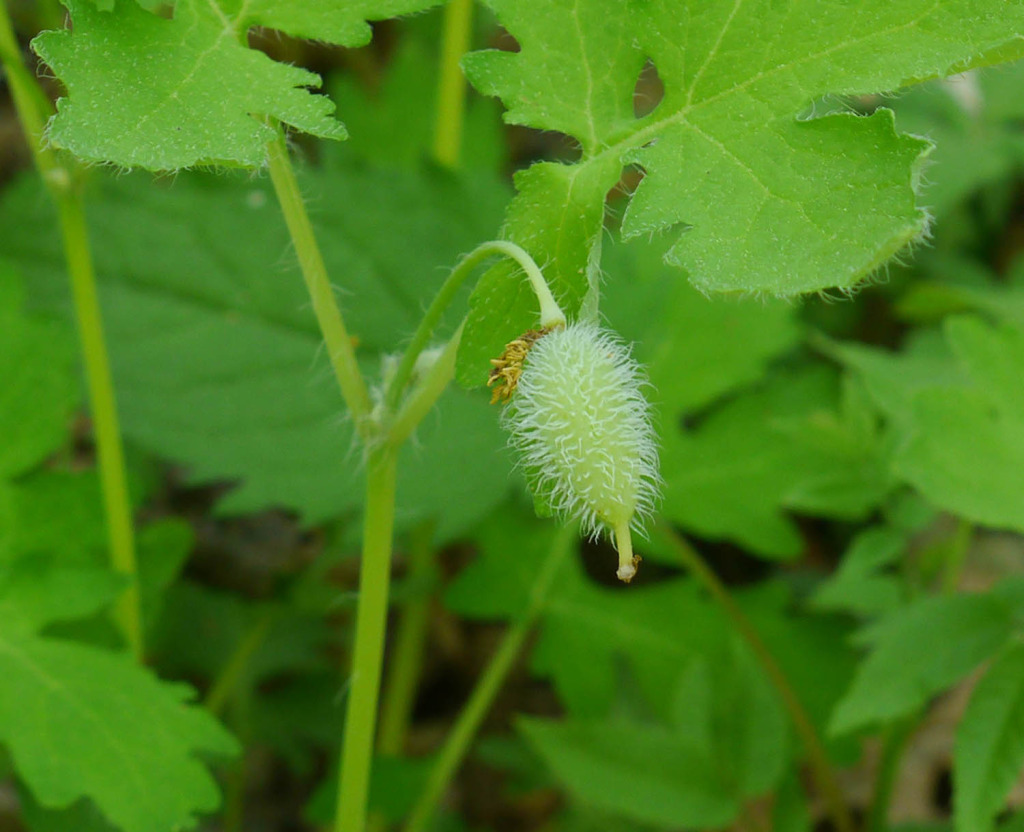
This plant can be found in the eastern portion (and possibly a bit of the mid-western portion) of North America. When you recognize it, please leave a comment with the common name, scientific name and any personal connection you may have with the plant.
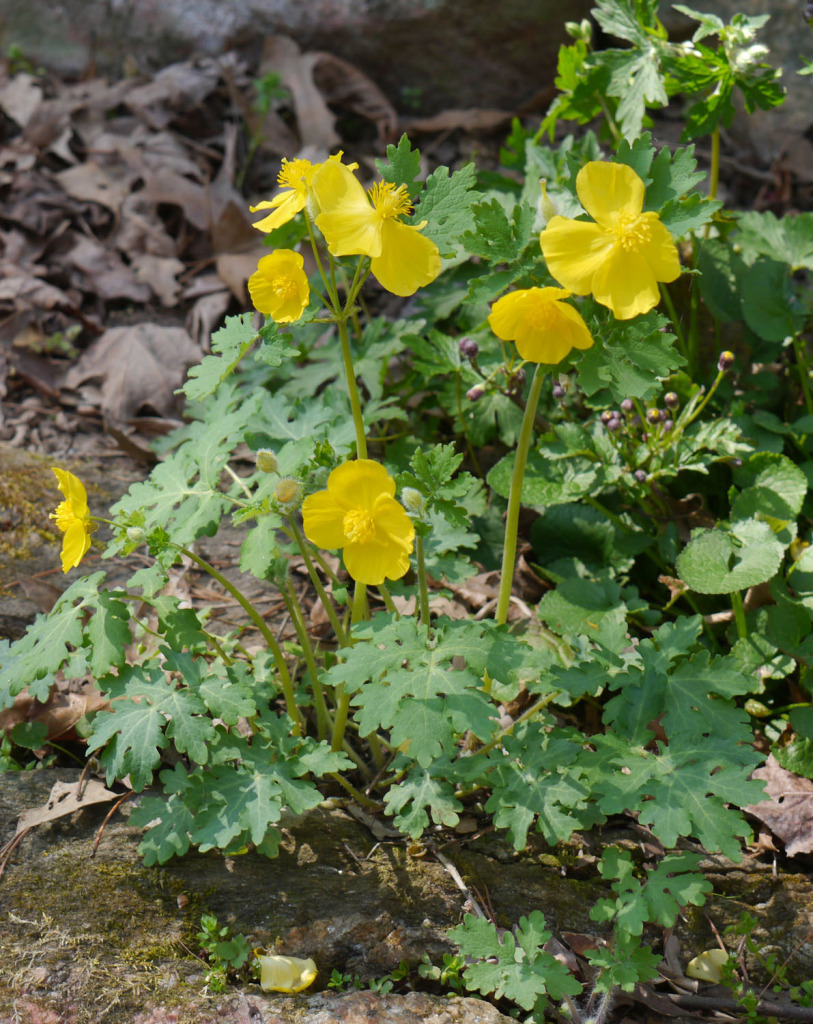
Entire plant in bloom
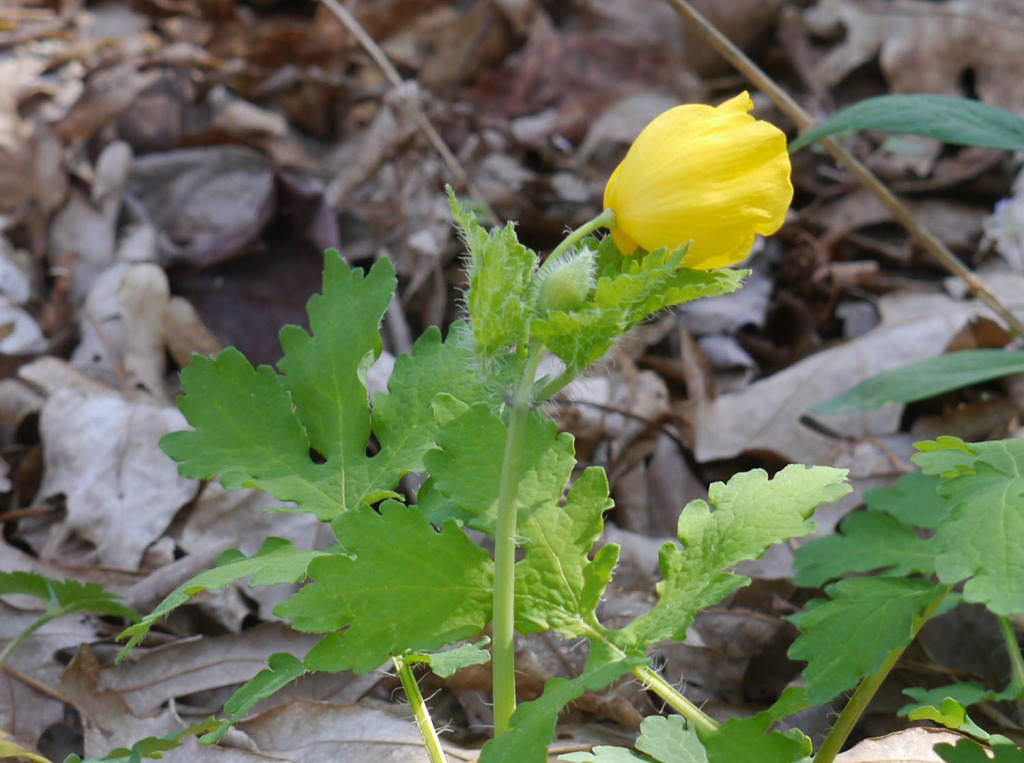
Stalk, flower bud and opening flower
Flowers in bloom
Leaves
Seed pod
ANSWER (subsequently added to this post to facilitate the “search” function for these images): Celandine poppy (Stylophorum diphyllum)