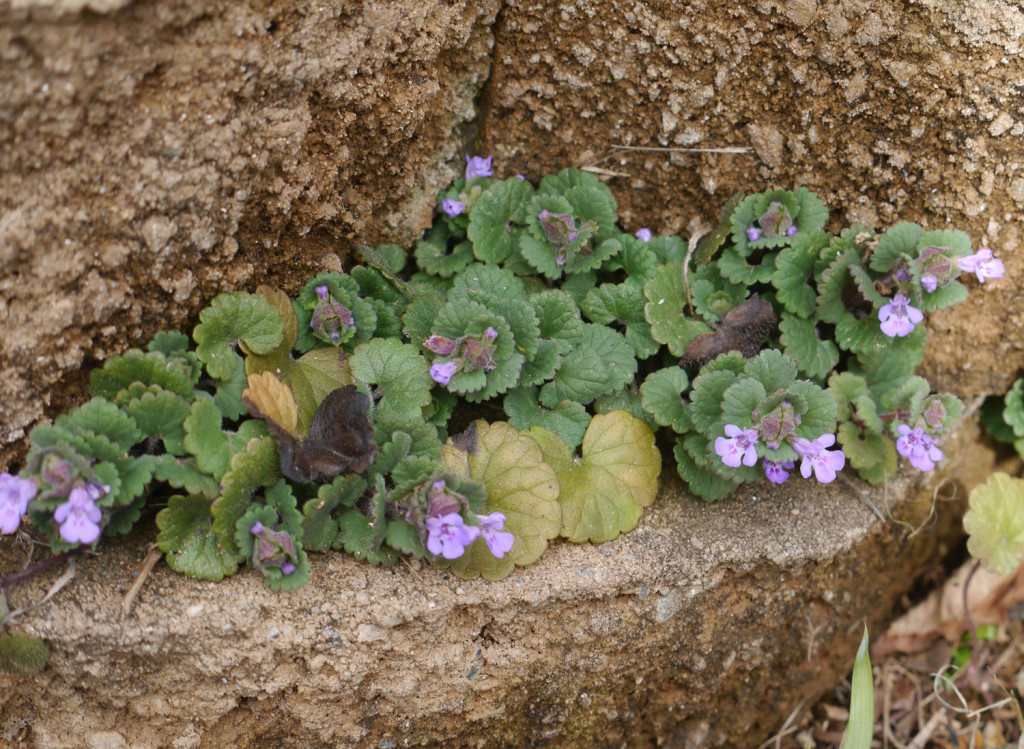
Ground ivy (Glechoma hederacea)

Ground ivyIf you walk on a patch of Ground ivy (Glechoma hederacea) leaves at any time of the year, you’ll notice a distinctive odor rising from the bruised leaves.  This plant, now growing throughout North America, is a member of the Lamiaceae (Mint) family.

Although it’s frequently considered to be a “weed,” some people enjoy the masses of purple flowers which can be seen in early spring.  Here’s a closer view of those blossoms.
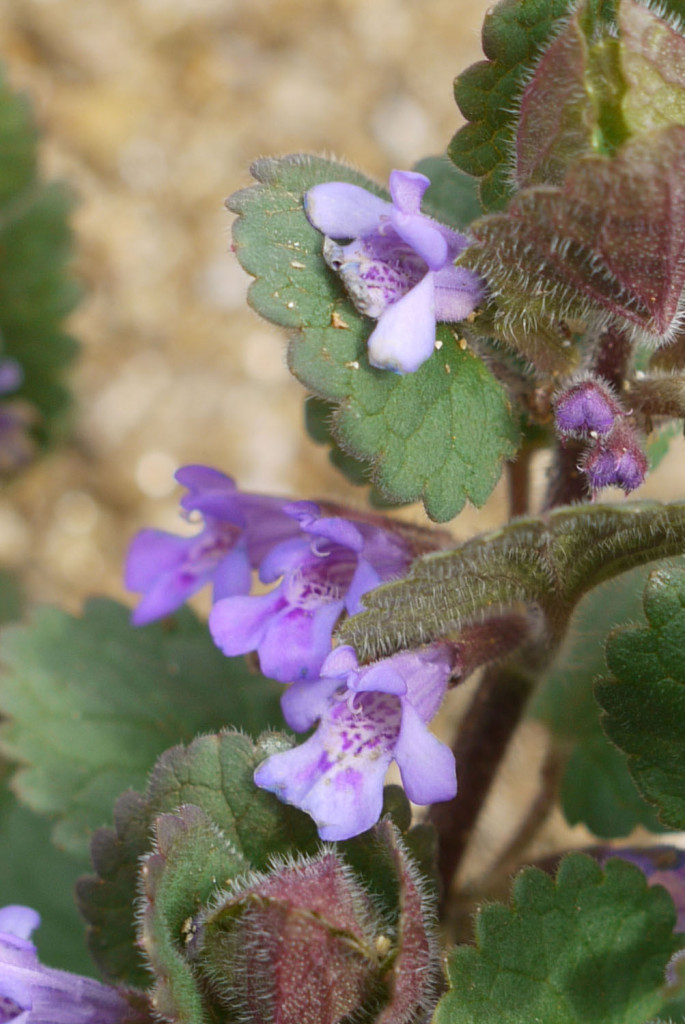
Ground ivy

Watch this video about Ground ivy (Glechoma hederacea) to learn more about the plant’s identifying characteristics.

Posted in Plant Identification videos, Plant portraits | 1 Comment

Mystery plant 079

This native plant grows throughout the central and eastern portions of North America. When you can identify it, leave a comment with its common and scientific names.  And share any personal connection you may have with the plant.

079-a

Dying flowers and young berries

079-b

Spring leaves

079-c

Summer leaves — top and underside

079-d

Stem

079-e

Group of plants

079-f

Fruits


ANSWER (subsequently added to this post to facilitate the “search” function for these images): Black raspberry (Rubus occidentalis)

Posted in Mystery plant | 11 Comments

Red buckeye (Aesculus pavia)

Red buckeyeThe Red buckeye (Aesculus pavia) tree blooms early in the spring.  Its bright red flowers — contrasted with the fresh green leaves — delight both people and hummingbirds.  Flowers grow at the tips of branches.

The flowers bloom from the bottom of the inflorescence toward the top.

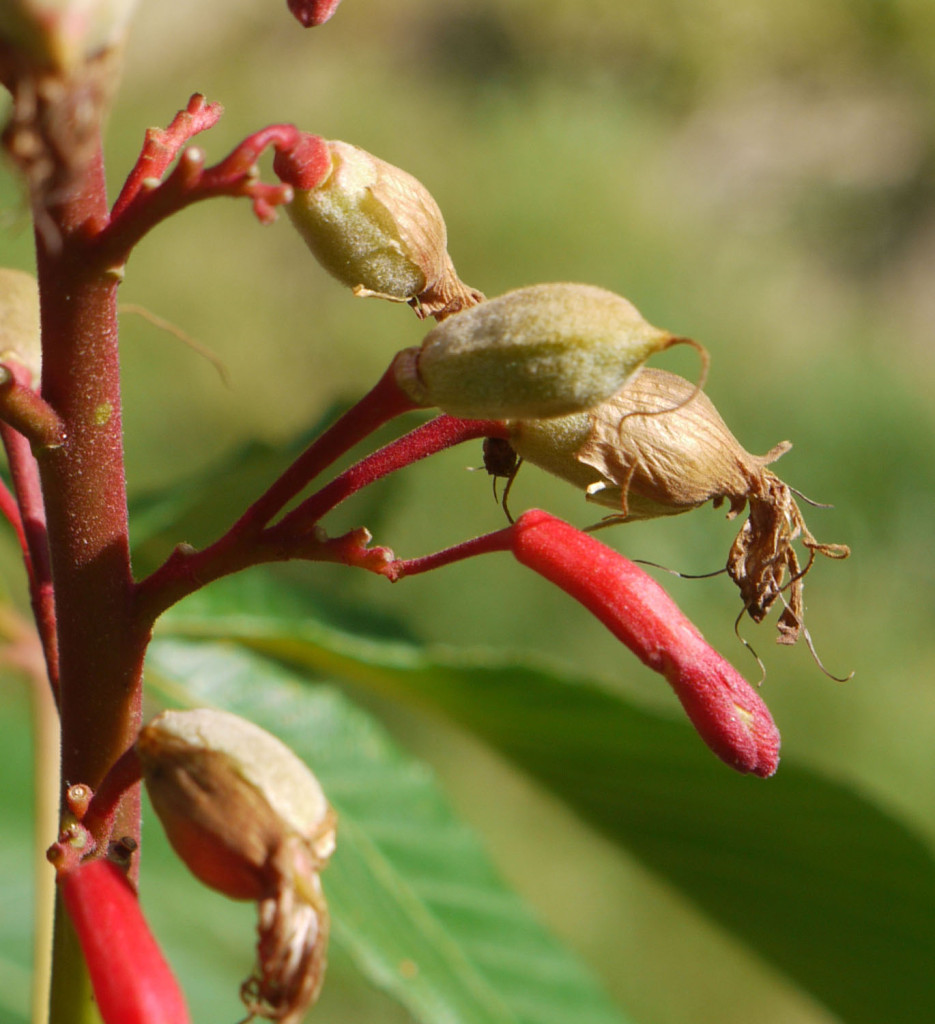
Red buckeyeSuccessfully fertilized flowers result in fuzzy swollen ovaries.  Most seed capsules develop within the bottom half of the inflorescence.

Red buckeyeBy late summer the seeds have matured within their large seed capsules.  Leaves also are dying and dropping from the tree.  Red buckeye is not a beautiful tree during the fall season.  However, it makes up for that deficiency with its stunning spring blossoms.

Red buckeye

Watch this video about Red buckeye (Aesculus pavia) to see the large leaf and flower buds, the palmately compound leaf and the lovely “buckeyes” (seeds).

Posted in Plant Identification videos, Plant portraits | Leave a comment